
Open-Source Diffusion Model Summary
A Short Guide for New Starters in the World of Diffusion Models

When I started experimenting with ComfyUI a little over a year ago I had no idea about the different open-source diffusion models available. Since then the number of models has exploded, with models increasingly having their own characteristics and strengths. This is my short summary of the ones I currently spend most time using and my observations. This is a very subjective area though, as workflows and settings have such a big impact on output so I am sure others will have different views! I’ll aim to follow-up with some settings and workflows in a later post.
For reference I run a Nvidia RTX4060 16GB Ti OC GPU with an Intel Core i7-14700KF (3.40 GHz) and 64GB RAM.
Current Favourites
These are the models I am using on a day to day basis, in some cases I also use finetunes/checkpoints of these models and/or LoRAs which I have noted in the comments.
Qwen Image 2512
Qwen Image 2512 is an improved version of Qwen Image, released in December 2025, and is a great all-rounder. When it comes to photorealism maybe Z-Image Turbo still pips it (and possibly Flux.2 Klein), but the 2512 version is a lot better than the original.
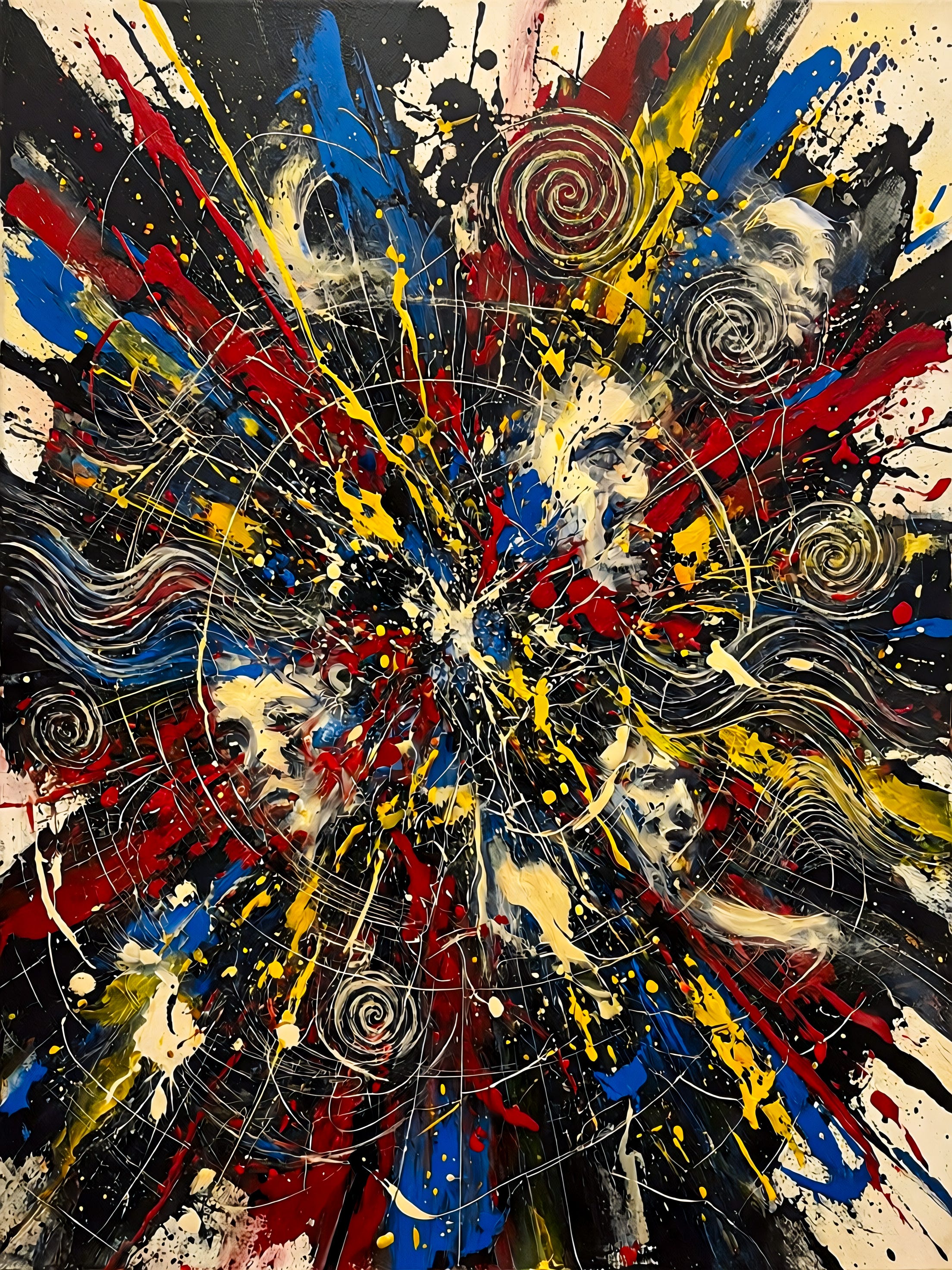
It is a hefty model, requiring the use of a Q8 GGUF version on my hardware, and is correspondingly relatively slow. It is fairly creative, not quite as strong as some others, but can produce a wide range of styles. The styles can be enhanced further with suitable LoRAs from the large number which are available. In addition there are also some good finetunes and checkpoints, typically enhancing realism a little more.
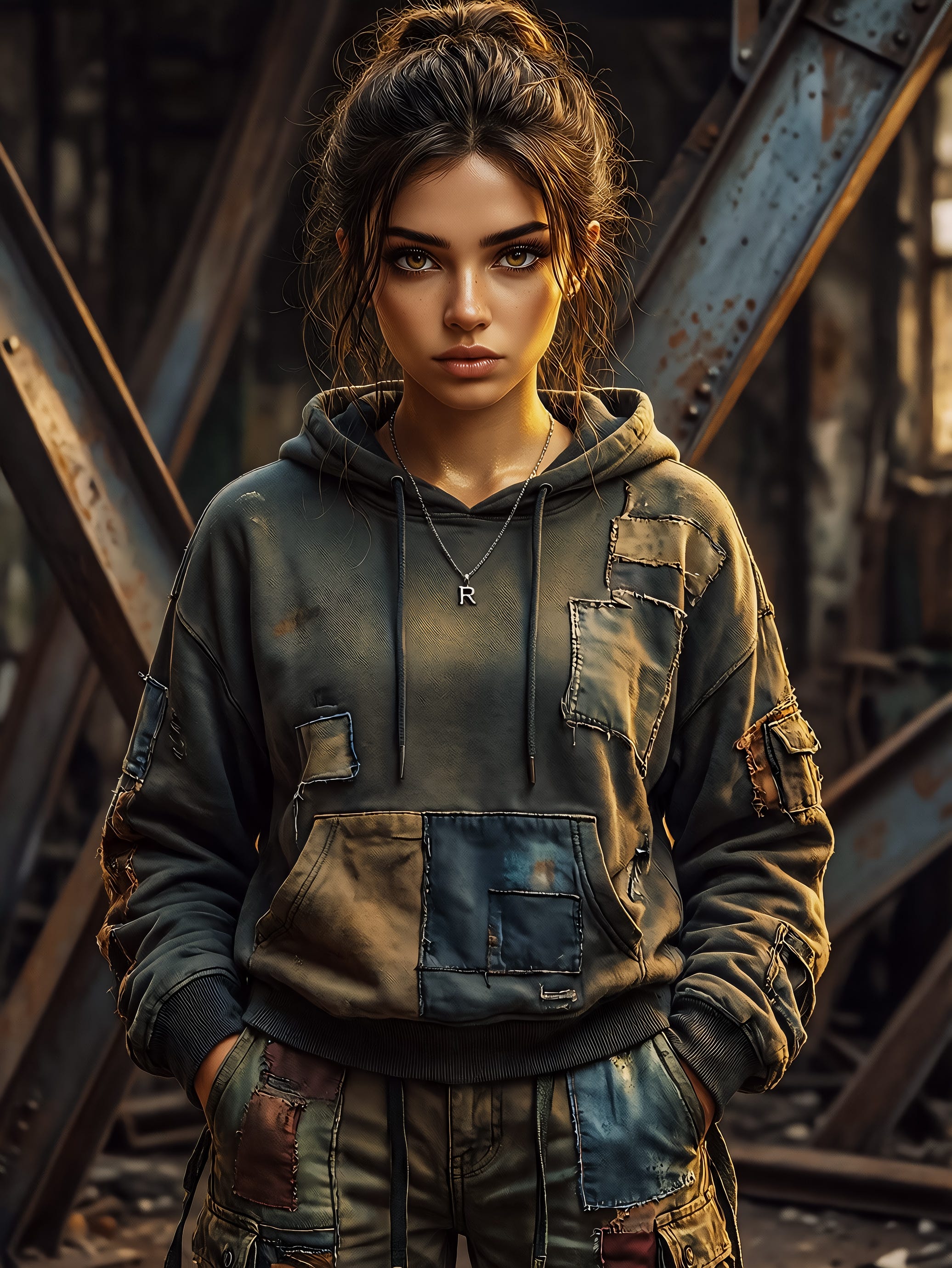
Qwen Image 2512 offers good prompt adherence and works with a wide range of samplers/schedulers, each offering something a little different. You can also couple with a second stage sampler to add a little more detail if needed.
Note: There is a Lightning acceleration LoRA to improve speed but I do not tend to use it as I find it impacts the quality and composition too much.
Strengths: Excellent all rounder, good prompt adherence, can deal with complex prompts.
Weaknesses: Not always the best on realism, requires good prompts, quite slow due to size, seed variability quite low.
Qwen Image Edit 2511
Qwen Image Edit 2511 is the sister of Qwen Image, purely focussed on image editing. Released in November 2025 it is an update to the original Qwen Image Edit and offers a number of enhancements bringing it close to the level of Flux.1 Kontext and alongside Flux.2 Dev.
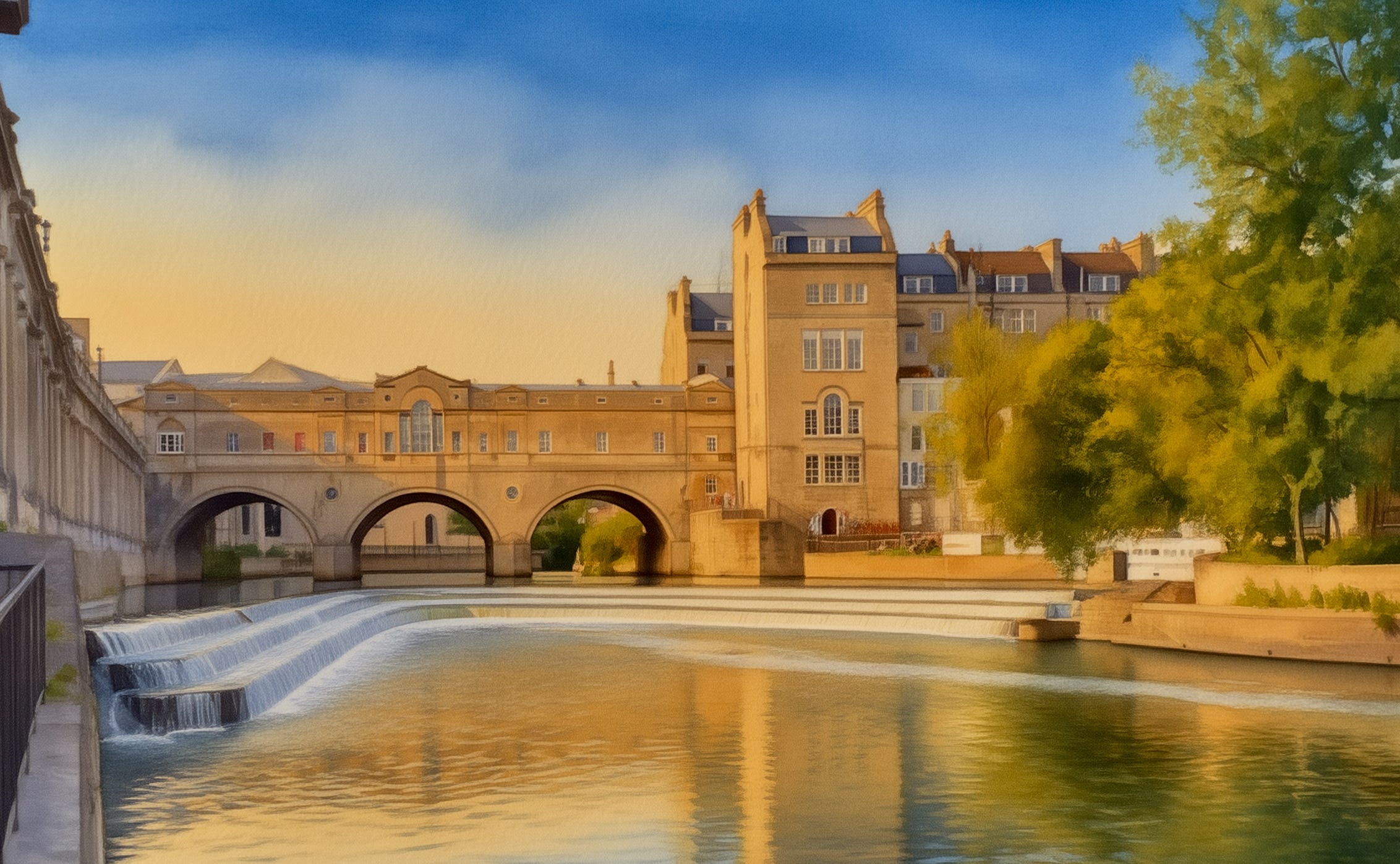
Similar in size to Qwen Image 2512 it is also a hefty model, requiring quantisation to run on lower VRAM GPUs and some patience in terms of generation time.
It can work with multiple reference images and accompanying text prompts, which can require an element of trial and error to get what you want.
Strengths: Natural language editing, reasonable character and scene consistency.
Weaknesses: Can mis-interpret instructions, large model so fairly slow. As it only edits what it needs to this can occasionally lead to a mismatch between edited and non-edited areas.
Z-Image Turbo
A small and fast distilled model requiring only 10 steps, it shook things up when it appeared towards the end of 2025 because it can produce extremely good photorealistic images very quickly. You can run the full BF16 model with 16GB of VRAM and produce images in less than a minute.
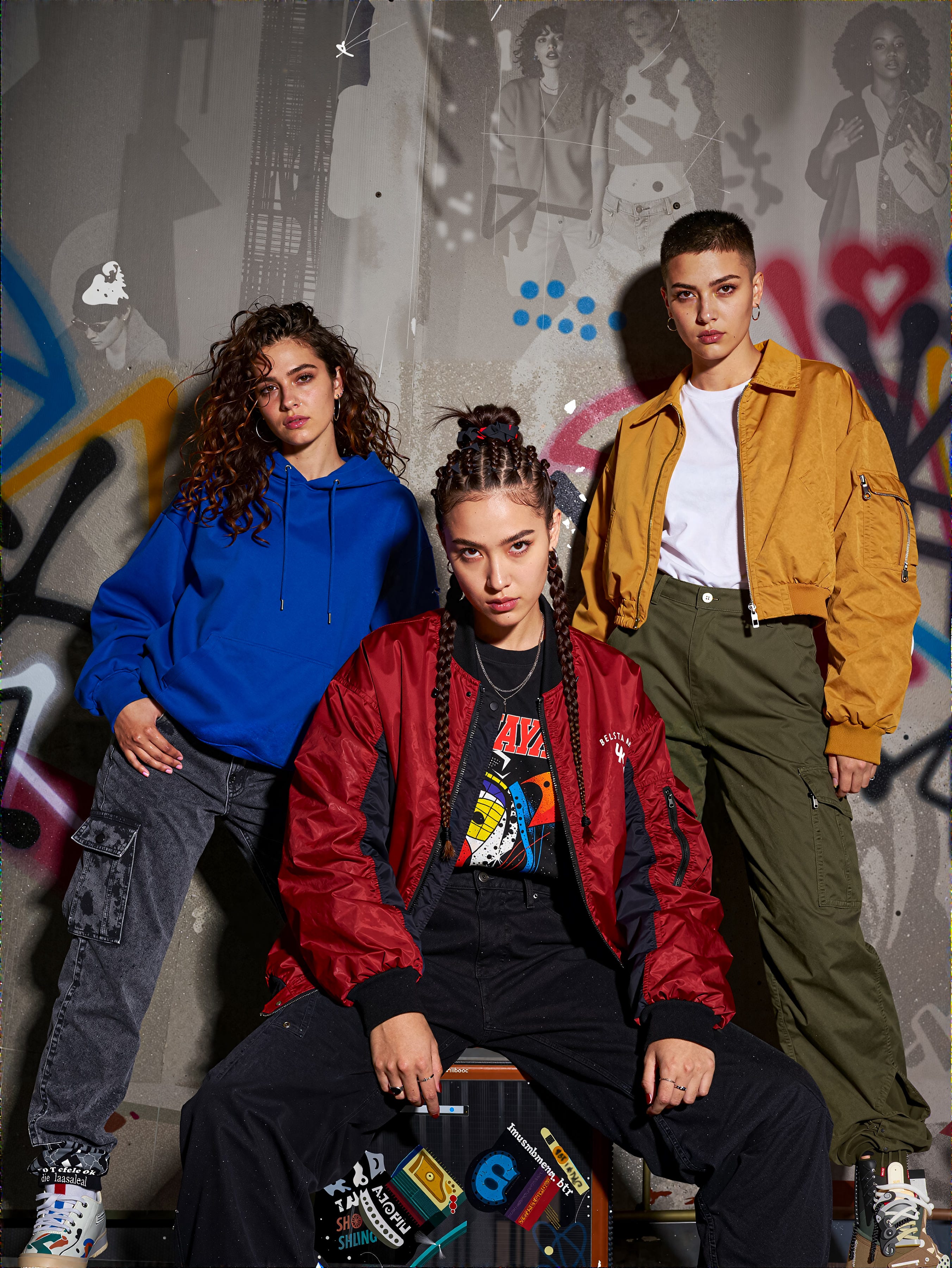
Its focus is primarily photorealism and in particular people, other styles tend not to work so well and it isn’t as creative as some of the other models. The price for the speed and size is that it’s prompt adherence can be a little weak and sometimes it can throw up weird and incorrect compositions, requiring a few iterations to get what you want.
Strengths: Photorealism, fast and small, can be creative with simple prompts
Weaknesses: Occasional random output and composition errors, limited outside of photorealism, not so good with complex prompts. Choice of sampler/scheduler combination can have a big impact on output. Seed variability can be limited, there is a custom node available to improve variability.
Flux.2 Dev
Flux.2 Dev is a bit of a monster and even in quantised form is difficult to run on lower spec hardware, and when it does run is it extremely slow. The slow speed is not surprising as both the model itself and the text encoder are huge, complex and very powerful.

More recently a Flux.2 Turbo LoRA has been released which can reduce the number of steps required from 50 down to 8 - this is a massive time saving and does not seem to impact the output that much.
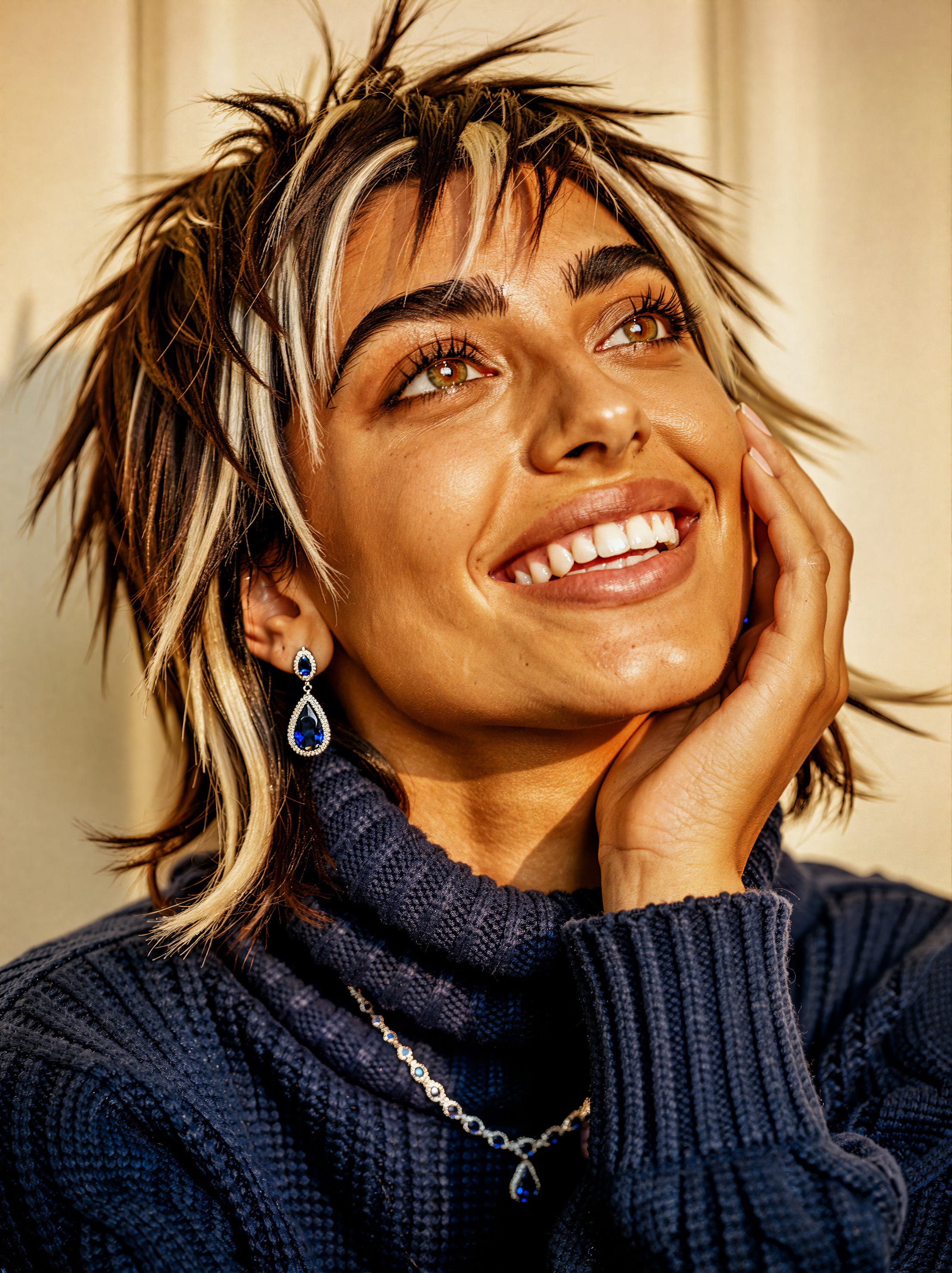
Flux.2 Dev is at the professional end of the open-source models supporting very complex prompts and features such as hex colour codes. This level of complexity does require effort to get prompts to work the way you want, as it can be very literal in its interpretation.
The quality of output is very high, although photorealism in areas such as skin texture are not always its strongest point. It is the overall controlled composition and detail where it excels, with far fewer typical ‘AI errors’ compared to other models.
A key feature for Flux.2 Dev is that it is both an image generation and image editing model, capable of utilising up to 8 reference images and a text prompt!
Its size and complexity does mean LoRAs and checkpoints are more limited for this model.
Strengths: Excellent prompt adherence, can work with very complex prompts and execute with specific details such as hex colours. Can create and edit images using reference images.
Weaknesses: Large and slow, realism not always of the level you would expect, requires a good detailed prompt as it does not tend to be very creative.
Flux.2 Klein 9B
Flux.2 Klein felt like a reaction to Z-Image Turbo, a small and fast distilled model which is akin to a cut down Flux.2 Dev. It behaves like Z-Image Turbo but with slightly better prompt adherence and a wider range of styles. It is just about small enough to run on mid-range hardware but quantised versions are also available.
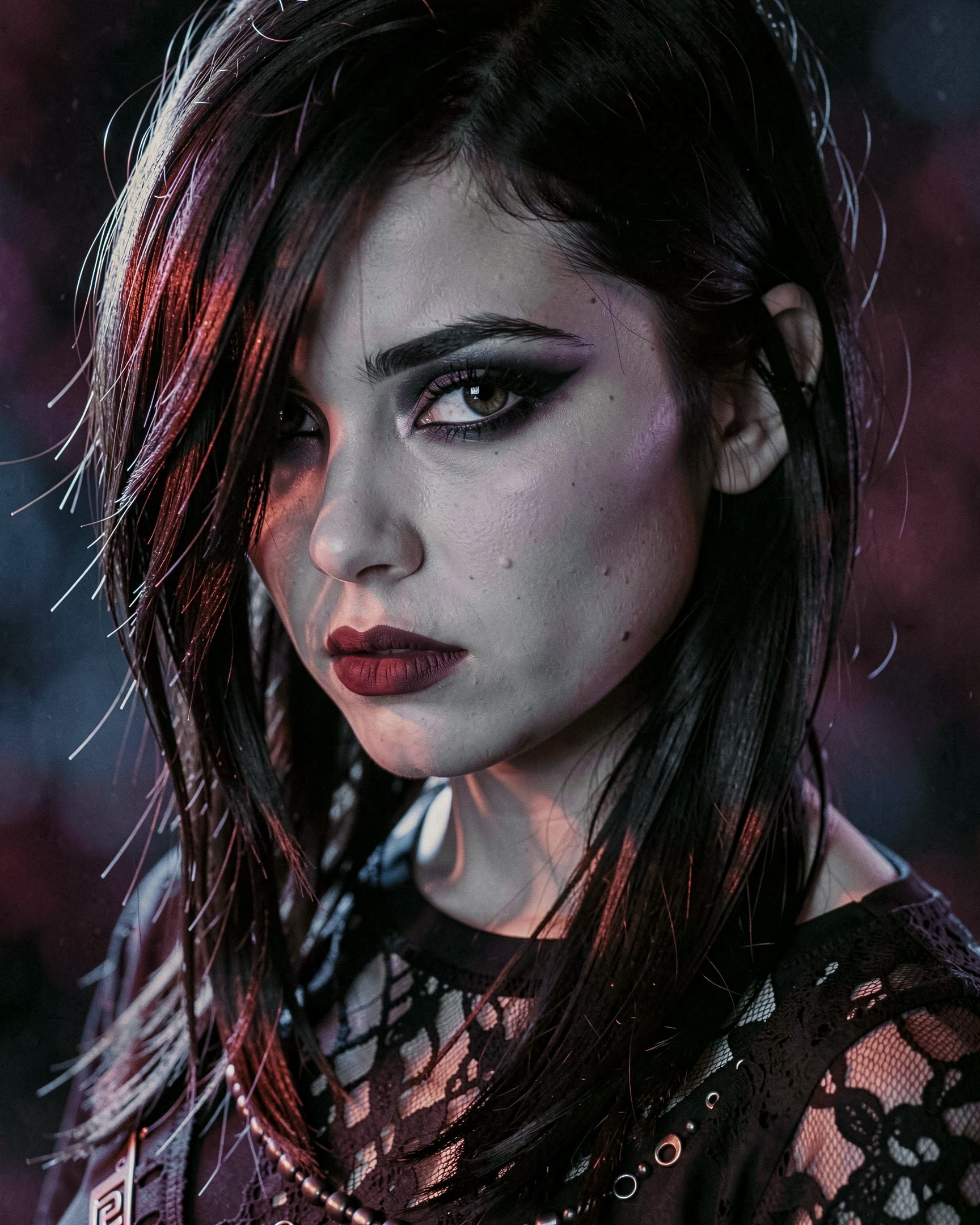
The realism is good but not always at the level of Z-Image Turbo. It can produce reasonable anime images, however, it seems to struggle with the composition of them. Other styles work better than with Z-Image Turbo but it doesn’t have the range of Qwen Image or Flux.2 Dev.
A big win for Flux.2 Klein 9B is that, like Flux.2 Dev, it is both an image generation and image editing model.
Note: There is also a 4B version which is smaller and faster still, with some impact on quality.
Strengths: Relatively fast and small (roughly the same speed as Z-Image Turbo), maintains fairly good quality. Both an image generator and image editor.
Weaknesses: With the availability of Flux.2 Dev with an acceleration LoRA then it is tempting to use Flux.2 Dev instead with its greater power, if your hardware is up to it, however, Flux.2 Klein is still faster.
Niche Models
These models I use less frequently but still have a place for certain creations.
Flux.1 Krea
When Flux.1 Krea was released early in 2025 it gained popularity quickly as the high quality output had both a creative flare and a natural ‘non-ai’ look about it. It can require quantised versions on lower spec hardware and is relatively slow - albeit not as slow as some of the models which followed later in the year.
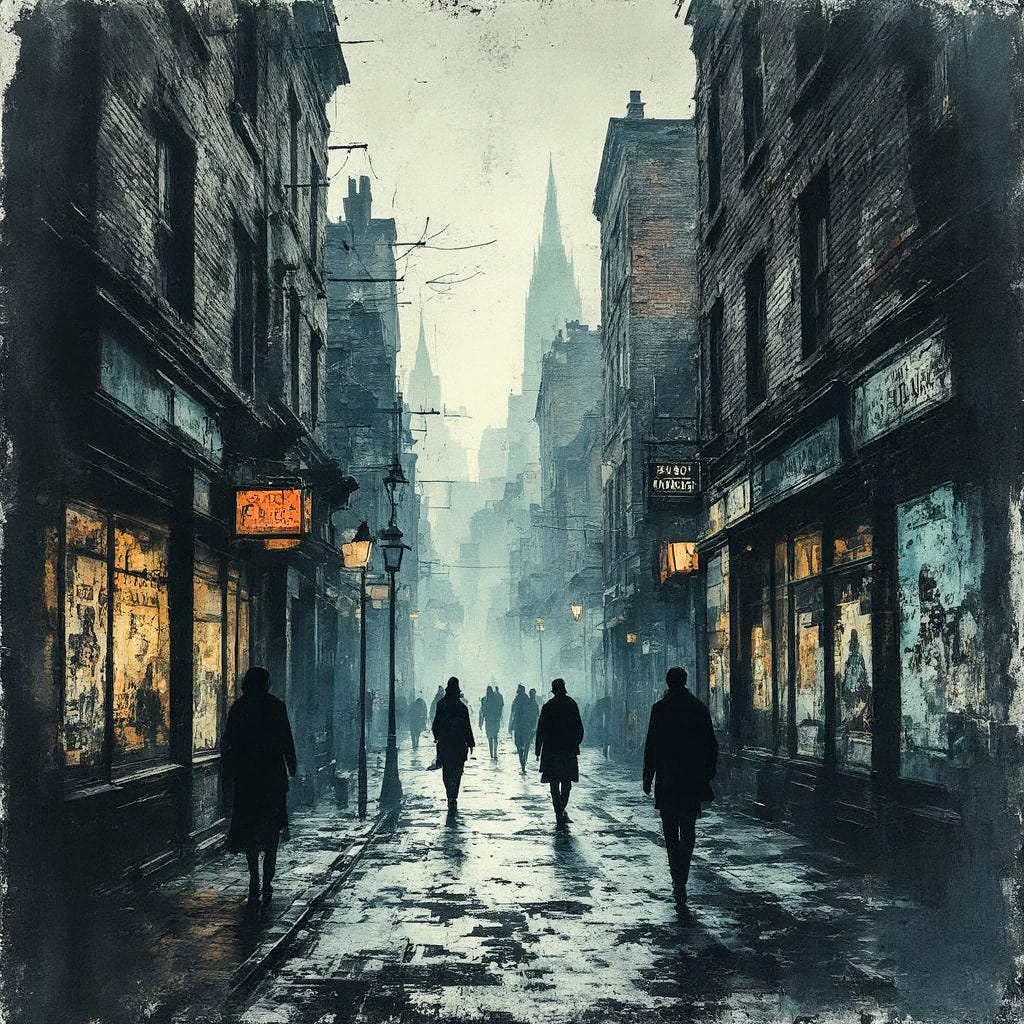
It is best suited to creative photorealism and artistic styles like watercolour and oil painting, etc. with relatively strong prompt adherence. There are quite a number of checkpoints and LoRAs available for Flux.1 Krea. It was described when released as ‘opinionated’ and it is true that Flux.1 Krea output does have a particular feel to it.
Strengths: Works well with prompts which are not too prescriptive, producing realistic and artistic output. A great model when you are looking for something a little different.
Weaknesses: Krea has a distinct style which isn’t always what you want. Not as good as newer models with complex prompts.
Flux.1 Kontext
Flux.1 Kontext was the original Black Forest Labs standalone model for image editing and for some time it stood out way beyond anything else - I still think it holds its own in style and character consistency.


I suspect the goodness of Flux.1 Kontext has been embedded into Flux.2 Dev but for those who cannot run Flux.2 Dev or Qwen Image Edit 2511, Flux.1 Kontext is a good option for image editing.
Strengths: Excellent character consistency. Good at only modifying sections of an image. Reasonable ability to follow natural editing instructions.
Weaknesses: Not as strong as more recent models in terms of prompt adherence and more complex prompts. Style transfer not as strong as other options.
Z-Image Base
Z-Image Base is the non-distilled version of Z-Image. It is the same size as Z-Image Turbo but requires 25-35 steps instead of 10. The primary purpose of Z-Image Base is for finetunes and LoRA generation, it is not aimed at image generation. For photorealism Z-Image Turbo is better, however, for other styles occasionally Z-Image Base can be of use.
Note: There are also base models for the Flux.2 Klein 9B and 4B models available which are also aimed at finetuning and LoRA generation.
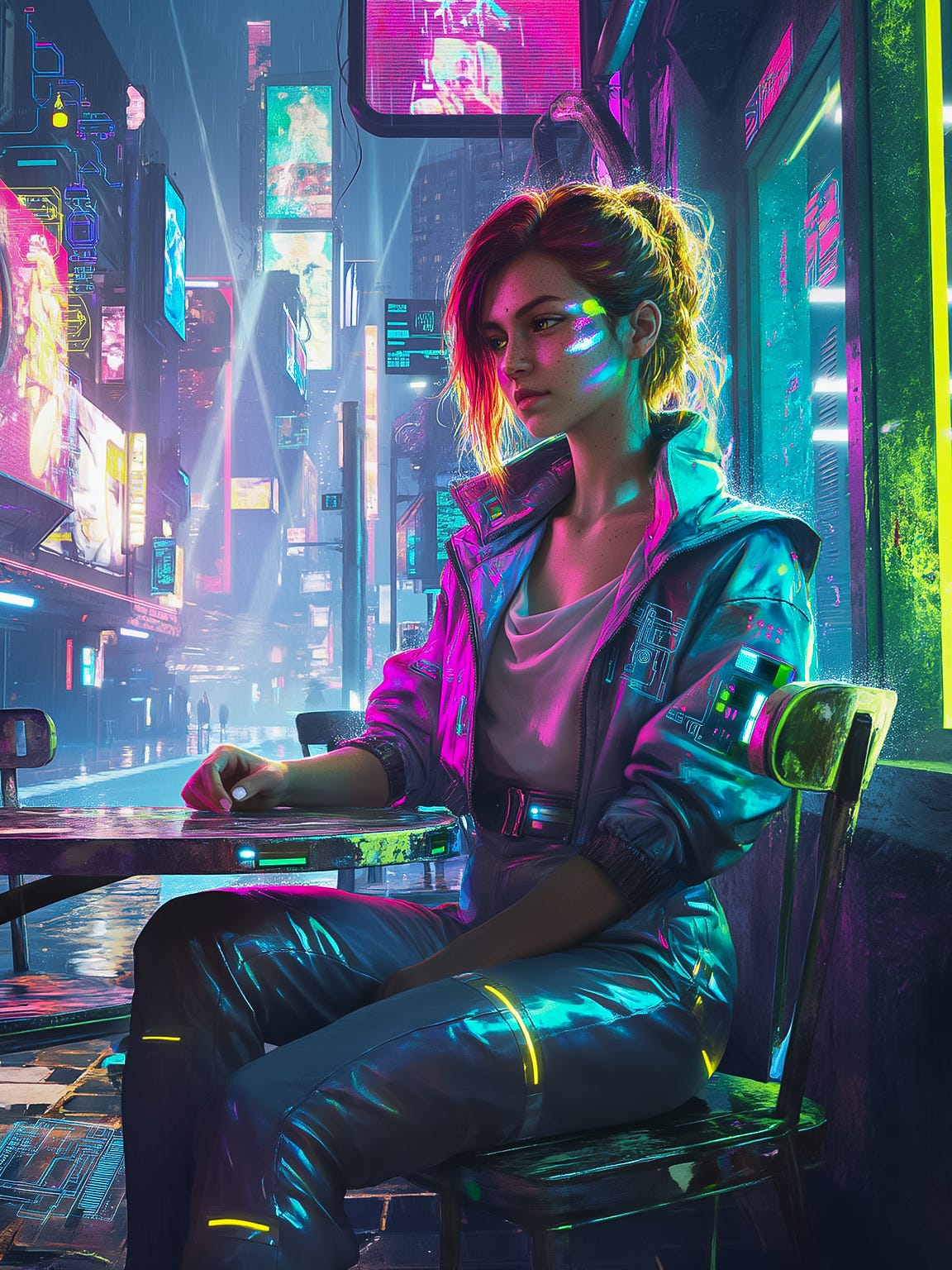
Strengths: A model primarily for finetuning and LoRA generation
Weaknesses: Not as strong as Z-Image Turbo for photorealism, not really aimed at image generation.
Other Models
Flux.1 Dev
Flux.1 Dev was the first model I worked with and I still think it is a good model, especially if you have lower spec hardware. It has been superseded by Flux.2 and others in most cases but there are some great finetunes, checkpoints and LoRAs available which make it a very versatile model.
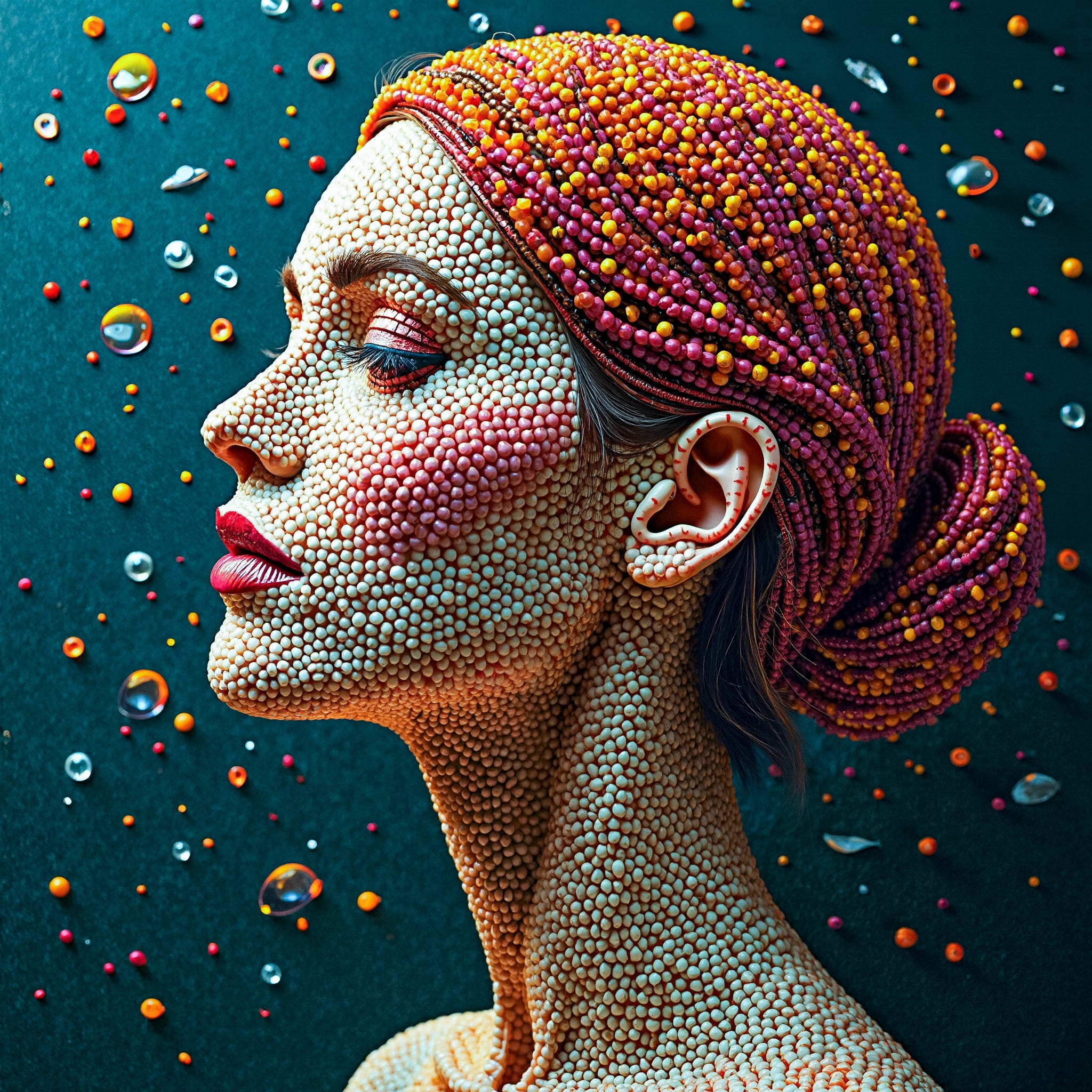
Strengths: Flexible and creative model. Lots of LoRAs and finetunes available. Reasonable prompt adherence.
Weaknesses: Well known plastic skin and ‘Flux chin’ issues with the base model. Not as capable with long and complex prompts compared to newer models.
HiDream I1
After Flux.1 Dev, HiDream was a favourite model of mine offering high quality images with good prompt adherence, realism and a wide range of styles. It is a big model, requiring a quantised version on my hardware, and subsequently slow generation times.
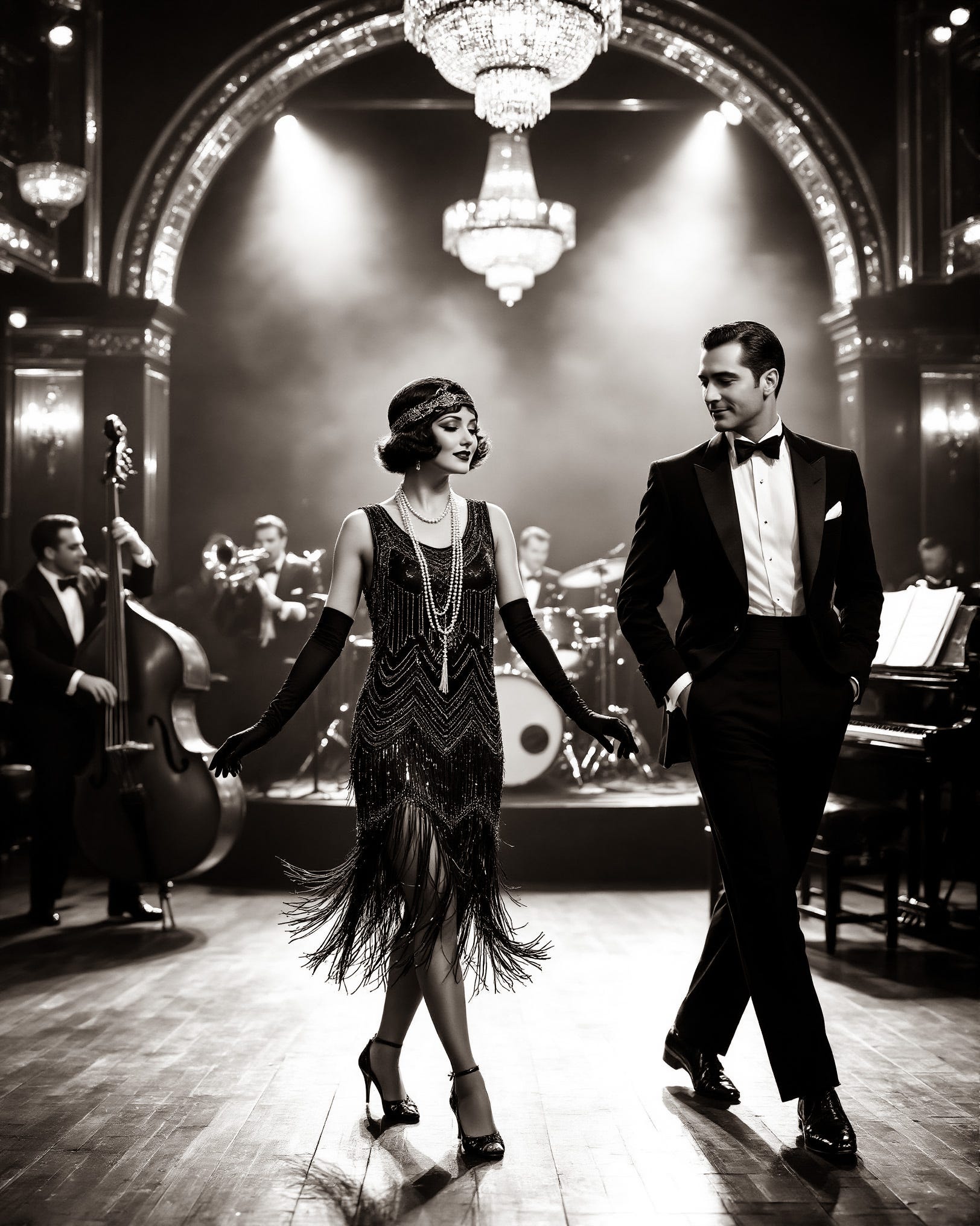
In terms of overall performance it has been surpassed in many aspects by newer models such as Qwen Image and Flux.2 Dev, however, I still think for some content it can hold its own.
Probably due to its size and complexity there has not been a great range of LoRAs and finetunes developed for HiDream. It would be nice to see an updated version to bring it up to the level of Qwen Image and Flux.2 Dev.
Strengths: High quality and realistic output with good prompt adherence.
Weaknesses: Not always very creative. Limited LoRAs and finetunes.
Final Thoughts
The models above are just a subset which have made it into my more frequently used collection. There are many others available and, provided you have the space, there are no limits, except perhaps in the time it takes to find the best settings and workflows for each model!
To think it is only just over a year since Flux.1 Dev was released, the rate of model releases has been incredible and shows no sign of slowing down. The only issue is whether the hardware can keep up with the model requirements.